
Value-Based Care Explained | Patient Outcomes & Reimbursement

What does value-based care really mean for your practice—and is it worth the hassle?
As healthcare rapidly shifts away from fee-for-service models, providers are being asked to focus less on how much care they deliver and more on how well they deliver it. But this transition comes with new expectations, new workflows, and a whole lot of confusion—especially when your payments depend on what your patients do after they walk out the door.
In this guide, you’ll learn how value-based care works, how to adapt your workflow, how to keep patients accountable (without sounding like a jerk), and how to protect your revenue while delivering better outcomes.
Key Takeaways
- Value-based care rewards outcomes, not services.
- Patient accountability is now essential for provider reimbursement.
- Educating patients on insurance terms prevents care gaps.
- EMRs and remote devices support proactive care and better metrics.
- Even small practices can thrive using simple workflows and clear follow-ups.
- Telehealth is a helpful bridge—but not a long-term crutch.
- Staff burnout can be avoided with micro-training and tool support.
Table of Contents
Value-Based Care vs. Fee-for-Service: What’s the Real Difference?

Under fee-for-service, you enter your CPT codes, attach diagnosis codes, and send off your claim. You provided a service, and you got reimbursed for it. Simple enough.
But in the world of value-based care, it’s not just about what services you offer. It’s about the outcome—how well your care meets your patient’s individual needs. And spoiler: your reimbursement now depends on that outcome.
It’s About Results, Not Just Activity
Let’s take diabetes care, for example.
In a fee-for-service world, a provider sees the patient, bills for the visit, maybe writes a prescription, and moves on. In a value-based reimbursement model, the focus shifts. Now the provider must ensure that diabetic patient is getting their foot exams, eye exams, HbA1c checks, and medication adjustments regularly. That whole care plan is now tied to how the provider gets paid.
In other words, doing the right things consistently and proactively becomes more valuable than simply doing more things.
How Patient Accountability Affects Reimbursement—and How to Improve It
Why Patient Accountability Matters in Value-Based Care
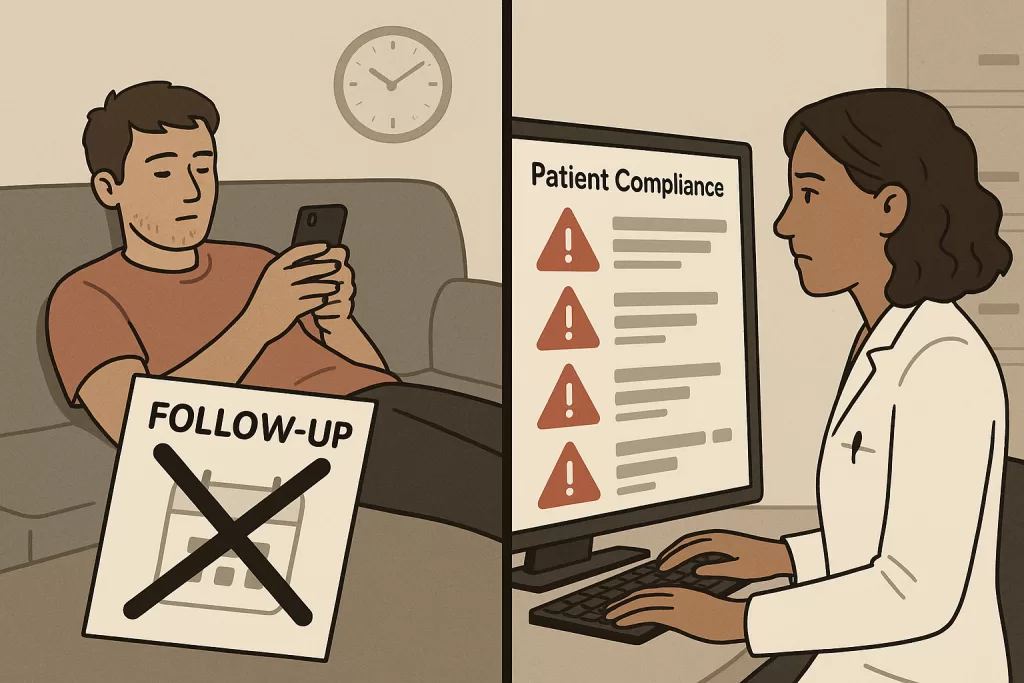
Here’s the tough truth: your performance—and pay—are now tied to what your patients do after they leave the office.
You can provide excellent care, document every detail, and follow all the protocols. But if the patient skips their follow-ups, doesn’t take their meds, or ignores test orders, your metrics take the hit.
That’s the core of value-based care. It rewards outcomes, not just activity. And when outcomes depend on patient action, accountability becomes a major variable in your revenue.
It’s frustrating, especially when you’re doing everything right on your end. But that’s the challenge: patient participation isn’t optional anymore—it’s essential.
How to Encourage Patient Follow-Through Without Pushing Them Away
The problem is, you can’t force someone to be accountable—and if you push too hard, you risk alienating them.
Instead, shift the tone. Make them feel like a partner in their care. One simple sentence can change the conversation:
“Tracking your blood sugar helps both of us catch problems sooner.”
Use plain language. Avoid medical jargon. Connect their actions to real outcomes—how it helps them avoid ER visits, stay on fewer meds, or feel better day-to-day.
If someone isn’t tech-savvy or seems overwhelmed, offer support instead of pressure. Assign staff to walk them through the portal. Schedule a quick tutorial during their next visit. Share short videos or step-by-step handouts.
The goal isn’t perfection—it’s progress. The more patients feel supported and included, the more likely they are to follow through.
Why Patient Education—Especially About Insurance—Is Essential in Value-Based Care
Value-based care only works when patients are active participants in their health. And participation starts with understanding.
That means helping patients grasp not just their treatment plans, but also how to navigate the tools, systems, and insurance that support their care. If a patient skips a follow-up or doesn’t schedule a test, it may have nothing to do with motivation—and everything to do with confusion.
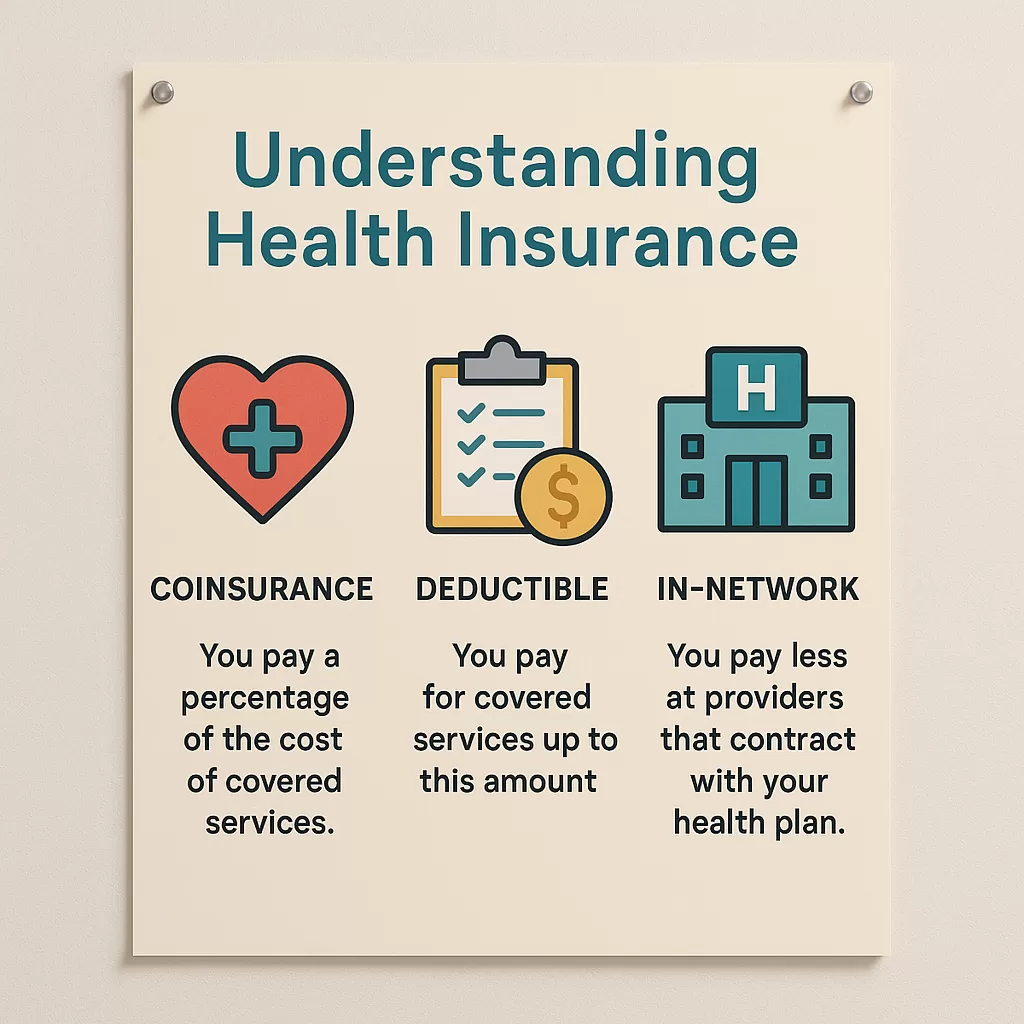
Insurance is one of the biggest culprits. Many patients don’t know what terms like deductible, coinsurance, or in-network really mean. They may cancel a visit because they’re afraid of a surprise bill. Or they might avoid labs entirely because they assume it’s not covered.
But missed care means missed metrics—and that directly affects your reimbursement in a value-based model.
| Term | What It Means |
|---|---|
| Deductible | The amount a patient pays out-of-pocket each year before insurance begins to pay. |
| Copay | A fixed dollar amount a patient owes at the time of service. |
| Coinsurance | The percentage of costs a patient pays after meeting their deductible. |
| In-Network | Providers or facilities that have contracted rates with the insurance plan. |
| Out-of-Network | Providers that may cost more or may not be covered at all. |
You don’t need to teach insurance 101 during every visit, but offering a simple explanation at check-in, a short handout, or a friendly walkthrough during intake can go a long way.
Want a quick reference to help your team or your patients?
Check out our insurance definitions guide for clear, no-jargon explanations.
The more confident patients feel, the more likely they are to stay on track—and that helps both their outcomes and your performance.
Value-Based Care Tools That Boost Patient Engagement
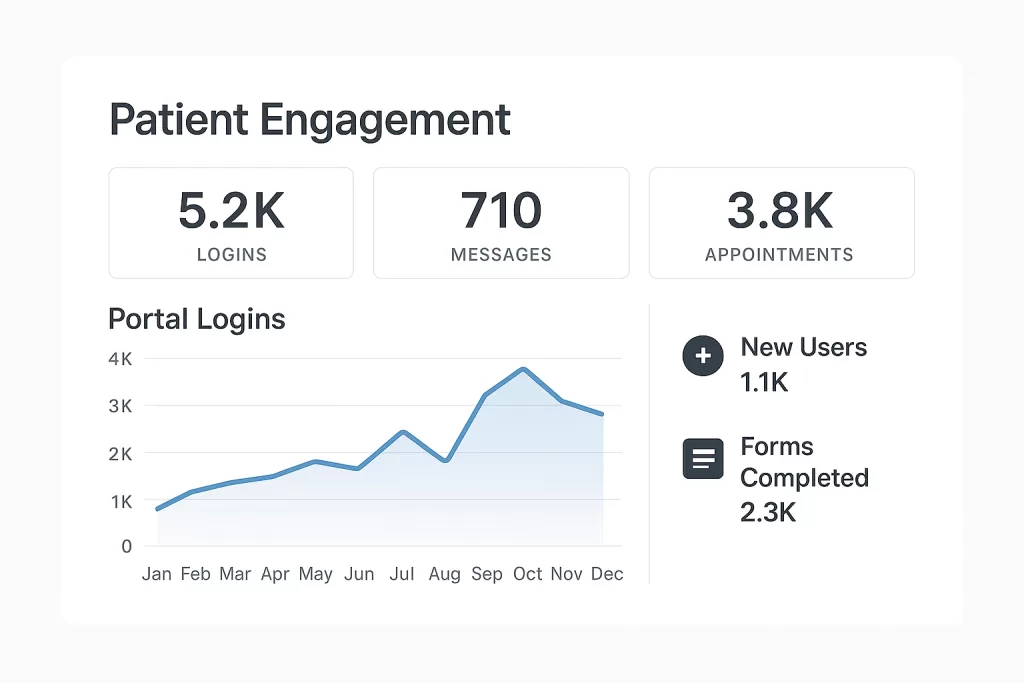
When it comes to boosting patient accountability in healthcare, technology is your friend—if you use it right.
Let’s say your EMR or practice management system includes a patient portal, secure messaging, or health reminders. Great. But are you using them to their full potential?
You may already have access to features that support value-based care—like tracking chronic disease metrics or auto-notifying patients of upcoming preventive screenings. If not, third-party tools might be worth the investment. Many integrate easily into existing systems.
And for practices serving older or tech-averse patients? Training is key.
A once-a-month after-hours tutorial can make a huge difference. Invite patients in, offer snacks, and teach them how to use their blood pressure cuffs, upload glucose readings, or just message you through the portal. Even better, have someone from the device company come help them directly.
All of this supports better care, and better reimbursement.
How to Align Your Workflow With Value-Based Reimbursement
Your current workflow might be built around checking boxes and sending claims—but value-based care asks for more.
Now, your team needs to think beyond the visit. It’s about making sure patients are scheduled for follow-ups, getting labs done, and following through on care plans. That means tightening the handoff between clinical and front office roles.
Start by looking at how tasks flow in your practice:
- Are care gaps tracked and flagged early?
- Do staff know what screenings are tied to quality metrics?
- Is there a reliable way to ensure follow-ups get scheduled?
You don’t need to overhaul your entire system. But it helps to standardize the small things—like using pre-visit planning templates, adding care gap checks to huddles, or assigning one person to confirm that next steps were scheduled.
Even small shifts in daily workflow can make a big difference. The more consistent your team is, the easier it is to meet value-based benchmarks without scrambling.
Can Telehealth Support Value-Based Care Long-Term?
A lot of practices jumped into telehealth during the pandemic—and for good reason. It solved so many problems: access, transportation, convenience.
But here’s the catch: telehealth policies are changing, and that “easy button” may not be around forever.
If you’re counting on virtual visits to hit your quality metrics, that might not be sustainable. CMS and other payers are already signaling changes coming this fall.
So, what can you do instead?
Think of telehealth as your launchpad, not your crutch. Use it to introduce patients to more robust digital tools like:
- Patient portals
- Remote monitoring devices
- Secure messaging platforms
That way, when telehealth reimbursement shrinks—or vanishes—you’re not left scrambling.
How Technology Helps Achieve Value-Based Care Goals
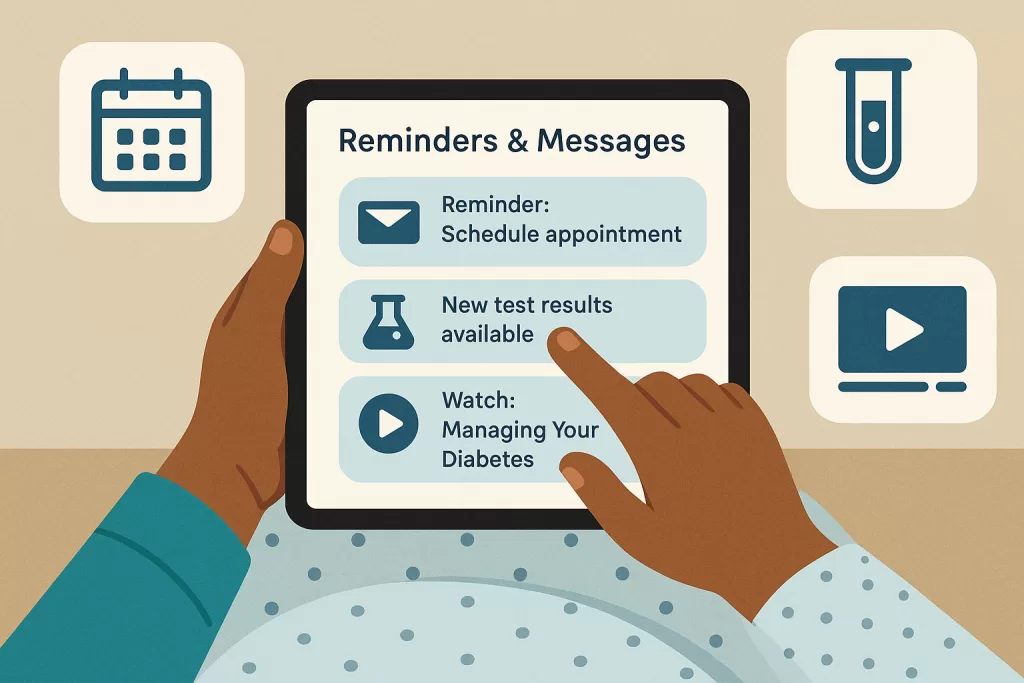
Let’s face it: not every patient wants to log into a portal or wear a Bluetooth-enabled glucose monitor. But we’re heading toward a future where those tools aren’t optional—they’re essential.
The good news? Many of these devices now sync directly with your EMR. Blood pressure cuffs, pulse oximeters, weight scales, even CPAP machines can stream data straight to the chart.
That means fewer “how are you feeling?” moments and more data-driven decisions.
Not sure where to start? Here’s a quick breakdown:
| Device Type | Data Tracked | Syncs with EMR? | Benefit to Care Team |
|---|---|---|---|
| BP Monitors | Blood pressure trends | Often | Early detection of hypertension |
| Glucometers | Blood sugar levels | Yes | Diabetes control metrics |
| Pulse Oximeters | Oxygen saturation | Some | Respiratory disease monitoring |
| Smart Scales | Weight, BMI | Yes | CHF and obesity management |
These tools help you hit the benchmarks that matter in value-based reimbursement—and they reduce the pressure on providers to “guess” how patients are doing between visits.
How to Train Patients Without Overloading Your Team
Helping patients use new tools—like portals or health devices—is important, but let’s be honest: your team is already stretched thin.
So how do you train patients without burning everyone out?
Start small and keep it consistent. Pick one process, one tool, and one support strategy at a time. Don’t try to do everything all at once.
You don’t need a full tech training center. Just a few smart touches can go a long way:
- Assign a tech-savvy staff member to offer help after appointments
- Create a printed “how-to” sheet for your most-used tools or devices
- Schedule a short patient education session once a month—keep it simple, maybe snacks and a 15-minute walkthrough
- Ask your vendors if they’ll provide demos or support materials—they often will
The key is to take pressure off your clinical team by building predictable systems. That way, patients get what they need, and your staff isn’t scrambling to explain everything at checkout.
Building Support Systems for Success in Value-Based Care
Let’s be honest—none of this works without a support system behind it.
You can’t just drop new tech, new workflows, and higher patient expectations on your team without giving them backup. That’s a recipe for burnout.
So how do you set your practice up for success?
Start by identifying what you already have. You may not need a new system—just better use of your current tools.
Many practices already pay for EMR features that they never use. Think: automated appointment reminders, follow-up messaging, lab result notifications. These small things reduce you having to do the chasing.
Second, think about patient support outside of your practice. Some third-party vendors now offer direct-to-patient services, like insurance education, device support, and remote coaching.
And finally—consider peer support groups.
If you treat chronic conditions like diabetes or heart failure, group visits or even informal patient meetups can go a long way. Not only does it help patients learn from each other, but it builds accountability in a way that doesn’t rely entirely on your staff.
How to Stay Financially Stable Under Value-Based Reimbursement
Let’s not sugarcoat it—value-based reimbursement can feel like financial whiplash.
Instead of straightforward payment for each service, now you’re dealing with performance metrics, benchmarks, and sometimes even shared savings arrangements that don’t pay out until months later.
This isn’t just a clinical challenge—it’s a cash flow issue.
Here’s the catch: You still have rent to pay, payroll to meet, and vendors to satisfy, even if your next performance-based bonus won’t hit for another quarter.
So how do you stay financially stable?
- Track everything: Know your cost per patient, cost per visit, and what each chronic condition actually costs you to manage. When you understand your baseline, you can negotiate better contracts and identify waste.
- Monitor underperformance: Are there gaps in your preventive care rates? Are diabetics slipping through the cracks? Catch these early—don’t wait until the end of the year to panic.
- Negotiate wisely: When payers pitch value-based contracts, don’t just say yes because it sounds trendy. Ask for clear terms. What benchmarks matter most? How is success defined? What happens if a patient leaves the plan mid-year?
And remember, some hybrid contracts still pay you fee-for-service while layering in quality incentives. These can help you transition more gently.
Overcoming Resistance to Value-Based Care: Staff & Patients
Resistance is usually rooted in fear or confusion—both from patients and staff. People push back when they don’t understand why a change is happening or how it affects them.
For patients, it might be frustration with new tech or confusion about costs. For staff, it could be overwhelm from changing workflows or unclear expectations.
The fix isn’t just more training—it’s consistent, clear communication.
Tell patients:
“Using the portal helps us catch problems early—and helps you stay out of the ER.”
Tell staff:
“Following these steps keeps us on track—and helps avoid penalties or payment delays.”
Start small. Focus on one new habit at a time, and celebrate small wins. Whether it’s more patients checking in online or fewer missed screenings, make progress visible and rewarding.
When people understand the “why” and see their role in the outcome, they’re far more likely to get on board.
What’s Ahead for Value-Based Care and Other Reimbursement Models?
If you think this is as complicated as it gets—buckle up.
Value-based care is only one piece of a larger movement. New reimbursement models are popping up like mushrooms after rain: bundled payments, capitation, global budgets, even “hospital-at-home” arrangements.
The direction is clear: outcomes over volume.
So what can you do to stay ahead?
- Stay informed: Follow CMS updates, payer policy changes, and healthcare business news regularly.
- Join networks: Local ACOs, IPAs, or clinically integrated networks often offer infrastructure and resources to help smaller practices succeed.
- Invest in training: If your coders, billers, and clinical team don’t understand value-based mechanics, it’s time to fix that. Education is leverage.
The practices that survive this shift won’t be the biggest or the flashiest—they’ll be the ones that adapt, stay scrappy, and keep patients at the center of their strategy.
Examples of Small Practices Succeeding in Value-Based Care

You don’t need to be a giant health system with a $5M analytics dashboard to win at value-based care. Plenty of small and mid-size practices are already doing it—and doing it well.
Let’s talk about how.
Take, for example, a rural internal medicine clinic that serves mostly Medicare patients. They don’t have a tech team or flashy dashboards. But they do have:
- One care coordinator who tracks all chronic patients in Excel
- A front desk team that calls every no-show within 24 hours
- Monthly in-office “learning lunches” for patients on diabetes and hypertension
That clinic met 9 out of 10 of their quality benchmarks last year. And yes, they got a nice check for it.
How? They focused on relationships, follow-through, and clarity. Their patients knew what was expected of them, felt supported, and had someone to reach out to when questions popped up.
That’s value-based care done right.
Value-Based Care Tips for Long-Term Success Without Burnout
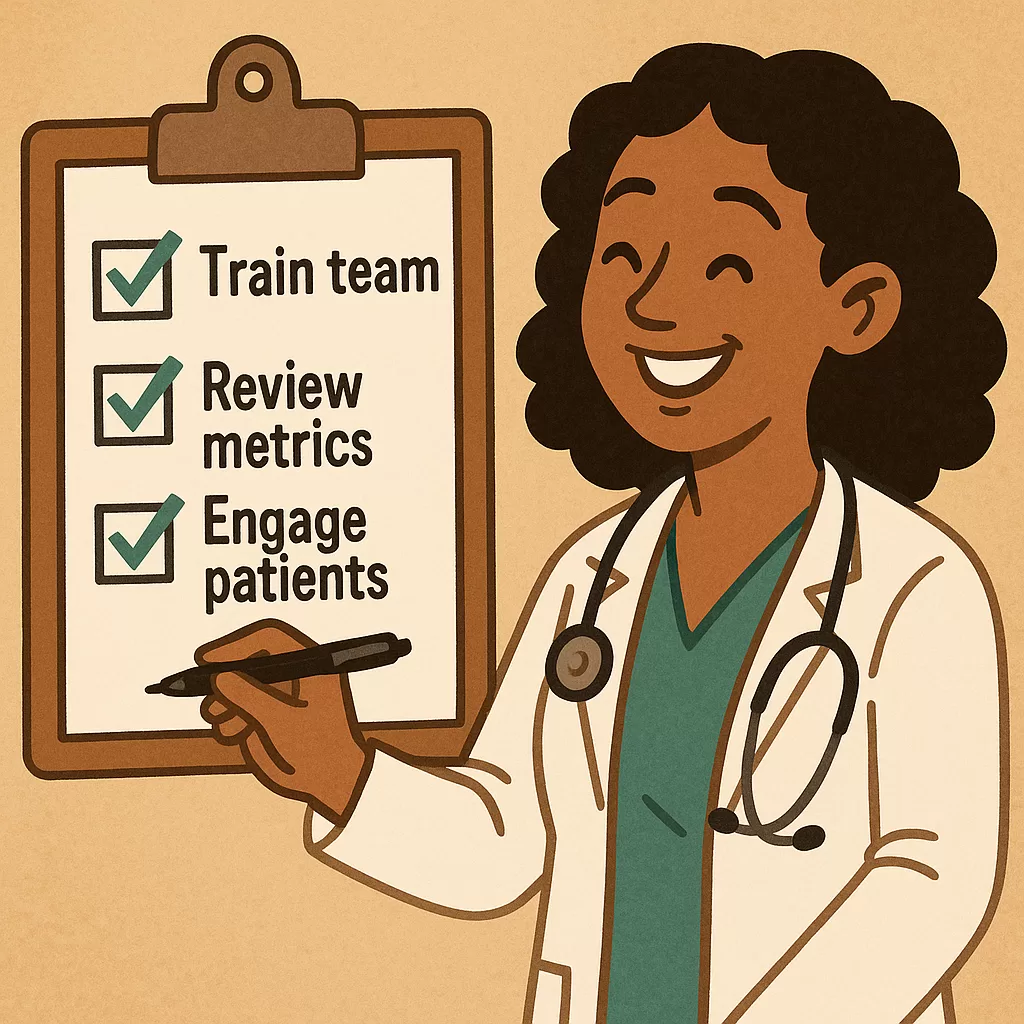
Succeeding with modern healthcare reimbursement models isn’t about overhauling your whole business overnight. It’s about taking small, smart steps that build momentum.
Here’s how you keep your sanity while doing it:
1. Focus on 3 Conditions at First
Pick your top three chronic conditions—diabetes, hypertension, and asthma, for example. Create a simple workflow to track outcomes and follow-ups for each. This gives your team a clear focus and makes success measurable.
2. Build a Patient Engagement Ladder
Don’t expect everyone to jump on board at once. Start with a ladder:
| Engagement Stage | Patient Action | Your Support |
|---|---|---|
| Curious | Reads a flyer in your waiting room | Offer simple education |
| Starter | Logs into the portal once | Send a “Thanks for joining” message |
| Regular User | Uploads readings monthly | Acknowledge progress |
| Champion | Attends tech workshops, shares tips | Invite to peer group or testimonial video |
This approach meets people where they are and encourages progress without pressure.
3. Use Micro-Training for Staff
You don’t need all-staff meetings or hour-long Zooms. Train in 5-minute bursts—right before lunch or after huddle. Teach one metric, one workflow tweak, or one best practice at a time. Keep it digestible.
Frequently Asked Questions: Value-Based Care
What is value-based care?
Value-based care is a healthcare reimbursement model that rewards providers for the quality of care they give, rather than the quantity. Instead of being paid per visit or procedure, practices are paid based on patient outcomes, prevention efforts, and chronic condition management.
How is value-based care different from fee-for-service?
In fee-for-service, providers are paid for every service they deliver—regardless of outcome. In value-based care, payment is tied to how well patients do. That means better control of chronic conditions, fewer hospitalizations, and improved preventive care can lead to higher reimbursement.
Why does patient accountability matter in value-based care?
Patient behavior can directly affect provider reimbursement. If patients skip tests, don’t take medications, or ignore care plans, their health suffers—and so does the provider’s performance score. That’s why patient accountability in healthcare is essential under this model.
How can small practices succeed with value-based care?
Start small. Track your most common chronic conditions, educate patients on basic insurance terms, and use tools you already have—like portals or EMR alerts. Success comes from consistent follow-up, engaged patients, and clear team workflows—not fancy tech or big budgets.
What role does technology play in value-based reimbursement?
Technology helps practices track outcomes, engage patients, and manage chronic conditions more efficiently. Portals, remote monitoring devices, and EMR dashboards all contribute to better care and higher scores under value-based reimbursement contracts.
Conclusion: Make Value-Based Care Work for You—Not Against You
Value-based care isn’t just another buzzword—it’s a real shift in how healthcare is delivered, measured, and paid for. And while it may feel overwhelming at first, it doesn’t have to be.
You’ve learned how the model works, how it changes your workflow, and why patient accountability is more important than ever. You’ve seen how technology, insurance understanding, and small adjustments in communication can help you stay ahead—without burning out your team.
Most importantly, you’ve walked through what it really takes to succeed: clear systems, steady support, and small, consistent steps forward.
By embracing value-based care now, you’re not just improving your bottom line—you’re building a practice that delivers better outcomes and keeps patients coming back.
Value-Based Care Isn’t a Trend—It’s the New Standard
There’s no going back to the days of “do the service, get paid.”
Today’s model rewards measurable improvement, efficient workflows, and engaged patients. The sooner your practice adapts, the better you’ll perform—and the more sustainable your operations will be.
The good news? You don’t have to be perfect. You just have to start.
Take inventory of your current tools. Look at what metrics matter to your payers. Train your team. Talk to your patients.
It’s not about doing more—it’s about doing what works better.